Spring Gardens Transformation: From Legacy Industrial Site to Environmental Stewardship Leader
Environmental, Social & Governance (ESG)
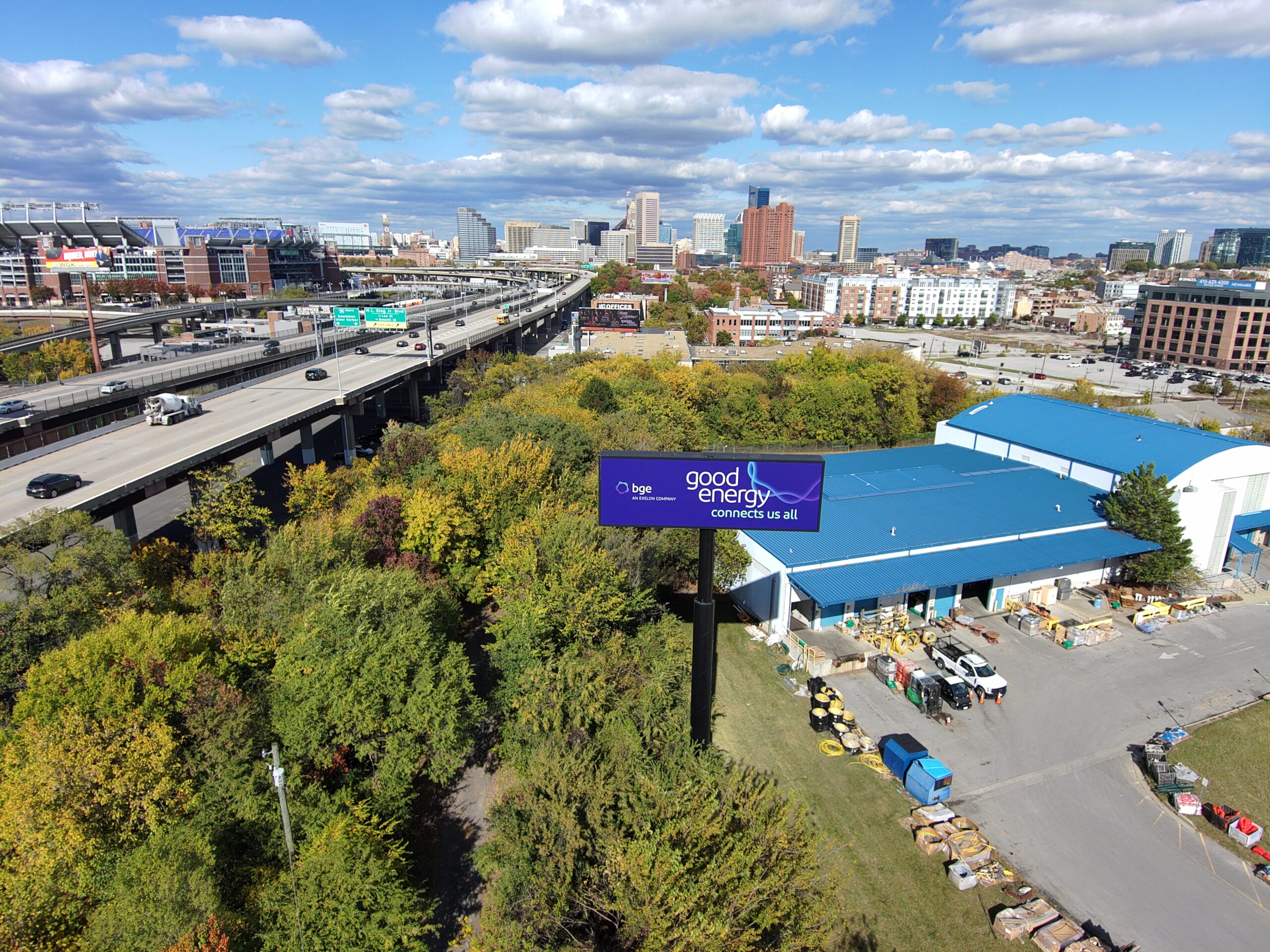
The Spring Gardens (SPG) complex has been in continuous industrial operation since 1855 and reflects the legacy environmental challenges of early manufactured gas and utility operations in Baltimore City. Located along the Middle Branch of the Patapsco River in an overburdened urban community, the site required long-term remediation, responsible management of legacy impacts, and proactive stewardship while remaining operationally critical to the region. Today, SPG serves as BGE’s gas division headquarters, including gas control and three large LNG tanks.
The challenge was to move beyond regulatory compliance and transform a historically impacted site into a leading example of environmental responsibility, resilience, and sustainability.
Guided by BGE’s Environmental Stewardship Program and BGE’s ISO 14001 certified Environmental Management System, BGE implemented a comprehensive environmental stewardship approach that integrates remediation, resilience, biodiversity, renewable energy, and waste reduction directly into an active utility campus. During this process, SPG became a “living laboratory” for innovative climate solutions like hydrogen blending, direct-air carbon capture, and more.
Key actions included:
Habitat Restoration:
Recycling:
Alternative Energy:
Flood Resilience:
The site showcases that legacy gas facilities can lead in environmental stewardship while remaining a critical and resilient component of gas infrastructure.

The Spring Gardens transformation delivered measurable results in environmental stewardship including wildlife habitat creation, recycling, greenhouse gas emission reductions, and more. The 72-acre site achieved Audubon Society, National Wildlife Federation, and Wildlife Habitat Council (WHC) habitat certifications, including WHC’s highest level, the Gold Certification. SPG is home to the longest forested shoreline in Baltimore City, measuring over 1,700 feet. On‑site renewable generation (640kW generation and 500 kW resiliency battery) avoids approximately 622 metric tons of greenhouse gas emissions annually, while waste management systems recycle 250 to 300 tons of soils per week from excavations saving over $1.5M annually. Trash interception systems have prevented over 8,000 pounds of Baltimore City debris from entering the Patapsco River, improving the quality of life for surrounding communities. Over 40,000 square feet of pollinator habitat has been installed on campus.
Collectively, these outcomes demonstrate thoughtful stewardship of a historic site with tangible benefits for the surrounding community and environment.
Spring Gardens’ environmental stewardship efforts demonstrate how natural gas utilities can responsibly manage legacy sites while advancing sustainability, biodiversity, climate resilience, and community trust. BGE has shared lessons from SPG on habitat restoration, beneficial reuse of dredged materials, renewable energy integration at gas facilities, and long‑term stewardship in urban environments. The site advances industry knowledge by showing that environmental leadership strengthens and does not compete with safe and reliable gas operations. This work supports SGA’s mission by providing a scalable model that grows environmental credibility and advances the natural gas industry’s role in a sustainable energy future.



Sign up to receive updates from Team SGA.