Safety-First Mentoring Program
Safety & Health
At Summit Utilities, safety is the centerpiece of our company. As we continue to grow, we recognized an opportunity to further strengthen how safety knowledge is transferred, reinforced, and consistently applied across our workforce.
New and short-service team members face increased exposure to risk as they build experience in the field, and internal data showed a higher rate of injuries and accidents to team members in their first 12 months of service. At the same time, experienced team members hold critical institutional knowledge that must be intentionally shared to maintain a strong safety culture.
Summit identified the need for a structured, scalable approach that would go beyond standard training by embedding safety into daily behaviors, strengthening hazard recognition, and creating consistent, meaningful dialogue around risk across all levels of the organization.
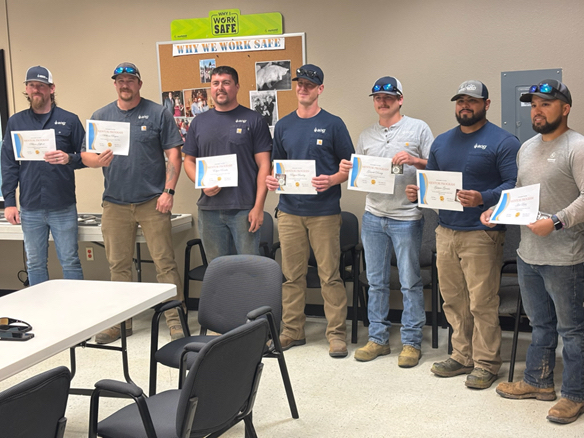
Summit Utilities developed and launched the Safety-First Mentoring Program, a structured six-month initiative designed to reinforce a safety-first mindset through mentorship. The program pairs field-service team members with experienced, safety-minded mentors selected by Environmental, Health, Safety and Training teams and supported by operations leadership.
The overarching goal of the Program is to foster a safety-first culture that prioritizes the prevention of workplace injuries. This initiative emphasizes hazard recognition and employee safety, ensuring that these principles are integral to daily operations. The Program enhances communication between team members, mentors, and supervisors creating a collaborative environment where safety concerns and solutions are openly shared.
Through monthly one-on-one mentor meetings, regular safety assessments conducted by supervisors and EHS specialists, and participation in Safety First Committee discussions, the program creates a consistent rhythm of engagement and accountability. Check-in conversations encourage open dialogue around near misses, hazard identification, and safe work practices, helping team members build confidence and awareness in real time.
This layered approach integrates coaching into everyday work, transforming safety from a requirement into a shared responsibility and daily practice. It also strengthens collaboration across teams and reinforces expectations through continuous feedback and support.
The Safety-First Mentoring Program has significantly enhanced Summit’s safety culture by fostering a more intentional and consistent approach to onboarding, training, and development for team members. Early results indicate that participants are demonstrating improved hazard recognition, stronger adherence to safety protocols, and greater confidence in identifying and addressing potential risks in the field.
Since the program’s implementation, Summit has observed a noticeable reduction in injuries and accidents among new team members, signaling its potential to drive meaningful improvements in safety performance. While the program is still in its early stages, with its first cycle recently completed and 50 team members participating to date, it has already shown promise in creating a safer, more engaged workforce.
The program has also strengthened collaboration between employees, supervisors, and safety teams, while improving consistency in safety expectations across crews and locations. By reinforcing accountability at all levels and establishing a sustainable model for transferring knowledge from experienced team members to new hires, the Safety-First Mentoring Program is laying the foundation for long-term safety excellence at Summit.
The Safety-First Mentoring Program reflects Summit Utilities’ commitment to sharing knowledge, growing our people, and advancing safety across the natural gas industry. By formalizing mentorship and creating a structured framework for safety development, Summit is sharing best practices that can be replicated and scaled.
This initiative fosters continuous learning, strengthens collaboration, and reinforces the idea that safety is a shared responsibility. It advances the industry by investing in people, building strong safety habits early in careers, and ensuring that critical knowledge is transferred in a consistent and meaningful way.
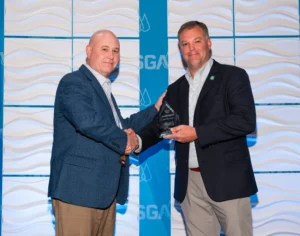
Contributor: Nathan Knell


Sign up to receive updates from Team SGA.